Source Customizable Denim Baseball Cap for Retail, Events, and Branding
Explore 30 listings for customizable denim baseball cap options from verified manufacturers. Buyers can compare materials, customization features, and pricing to find the right fit for retail, promotional events, and corporate branding needs; compare the available evidence and request quotations based on your requirements.
Key considerations
Products List




Comprehensive Sourcing Guide
Customizable Denim Baseball Cap Sourcing Guide
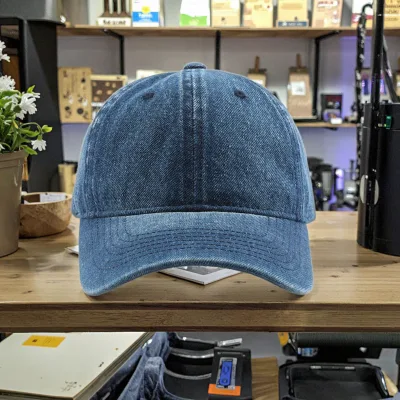
Sourcing customizable denim baseball caps requires a nuanced understanding of material behavior and manufacturing constraints that differ significantly from standard cotton or synthetic headwear. Denim is a robust, twill-weave fabric that offers a distinct aesthetic appeal, often associated with casual, streetwear, or heritage styles. However, its thickness and rigidity present unique challenges during the embroidery and assembly processes. Buyers must recognize that the "customizable" aspect extends beyond simple logo placement; it involves structural decisions regarding panel construction, crown shape, and closure mechanisms. The visual weight of denim can alter the perceived fit and comfort, making it essential to evaluate how the material drapes and holds its shape over time.
The procurement landscape for these items is characterized by a wide variance in product attributes, as observed in current market listings. While many suppliers offer standard six-panel designs, the specific application of denim introduces variables such as fabric weight, wash treatments, and hardware compatibility. Buyers should approach this category with the understanding that not all listed products will meet the same quality or aesthetic standards. The presence of diverse features, from windproofing to antimicrobial treatments, suggests a broad market segment that may not be uniformly applicable to denim-specific requests. Therefore, verifying the exact material composition and construction method is critical before committing to any order, ensuring that the final product aligns with the intended brand identity and functional requirements.
Product Scope and Observed Listing Signals
The current market data indicates a significant diversity in product specifications, with observed price ranges spanning from $0.80 to $8.28 USD and minimum order quantities varying between 5 and 3,000 units. This wide spectrum suggests that buyers can find options ranging from basic promotional items to higher-quality, branded merchandise, depending on their volume and customization needs. The presence of both low MOQs and high-volume capabilities allows for flexible sourcing strategies, enabling small businesses to test designs while larger enterprises can secure consistent supply chains. However, the disparity in pricing often correlates with differences in material quality, embroidery complexity, and packaging standards, necessitating careful evaluation of each supplier’s offering.
Observed product attributes reveal a mix of materials and features, with some listings specifying 100% cotton or nylon, while others highlight specialized functions like UV resistance, quick-dry properties, or even smart features. For denim-specific inquiries, buyers must navigate this noise by focusing on suppliers who explicitly mention denim or heavy-weight cotton twill. The availability of customization options, including customized logos and designs, is widespread, but the execution quality can vary. It is crucial to distinguish between suppliers who offer true OEM/ODM services and those who merely provide basic logo printing. Understanding these signals helps buyers filter out irrelevant listings and focus on partners capable of delivering the specific aesthetic and functional qualities required for denim baseball caps.
Technical Specifications to Verify
When evaluating technical specifications for denim baseball caps, the focus should be on fabric weight, panel construction, and closure mechanisms. Denim typically comes in various weights, measured in ounces per square yard, which directly impacts the cap’s durability and structure. Buyers should verify the exact fabric weight to ensure it meets the desired stiffness and comfort level. Additionally, the panel style, often six-panel for classic designs, must be assessed for seam alignment and structural integrity. The crown shape, whether structured or unstructured, also plays a vital role in the final appearance and fit. Confirming these details with the supplier ensures that the product will maintain its shape and provide the intended aesthetic.
The back closure and sizing options are equally critical technical aspects. While many listings offer adjustable plastic buckles, buyers should confirm the range of adjustability and the durability of the closure mechanism. Some suppliers may offer fixed sizes, such as 56-58 cm, which requires precise sizing data from the end-user. Furthermore, the embroidery technique, often flat embroidery for denim, must be evaluated for stitch density and thread quality to prevent fabric distortion. Buyers should also inquire about the washing and finishing processes, as denim often undergoes specific treatments to achieve the desired look and feel. Verifying these technical specifications helps avoid discrepancies between the sample and the bulk production, ensuring a consistent and high-quality final product.
Compliance and Safety Documentation
Compliance and safety documentation are essential for ensuring that customizable denim baseball caps meet international standards and regulatory requirements. Buyers should request relevant certificates, such as OEKO-TEX or GRS, to verify the safety and sustainability of the materials used. These certifications confirm that the denim fabric is free from harmful substances and meets environmental standards, which is increasingly important for brand reputation and market access. Additionally, buyers should inquire about the compliance of the hardware and threads used in the cap, ensuring they meet safety regulations for consumer products. This due diligence helps mitigate risks associated with product recalls or legal issues, providing a solid foundation for a trustworthy supply chain.
Beyond material certifications, buyers should also consider the labeling and packaging requirements of their target markets. Proper labeling, including fiber content, country of origin, and care instructions, is mandatory in many regions. Buyers must ensure that the supplier can provide accurate and compliant labeling, as errors can lead to customs delays or fines. Furthermore, the packaging should be durable enough to protect the caps during transit while meeting any specific branding or sustainability goals. By prioritizing compliance and safety documentation, buyers can enhance their brand’s credibility and ensure that their products are safe and legally compliant for consumers. This proactive approach fosters long-term trust and reduces the likelihood of post-sale issues.
Cost Drivers and Commercial Terms
The cost of customizable denim baseball caps is influenced by several key drivers, including material costs, customization complexity, and order volume. Denim fabric, particularly high-quality or specialty washes, can be more expensive than standard cotton or synthetic materials. The complexity of the customization, such as intricate embroidery or multiple color applications, also adds to the production cost. Buyers should negotiate based on these factors, understanding that higher customization levels may result in higher unit prices. Additionally, the minimum order quantity (MOQ) plays a significant role in pricing, with larger orders typically benefiting from economies of scale. By aligning their customization requests with their budget and volume expectations, buyers can optimize their procurement strategy.
Commercial terms, such as payment methods, lead times, and shipping arrangements, are also critical components of the sourcing process. Buyers should clarify the payment terms, including deposits and balance payments, to ensure financial security. Lead times can vary based on the complexity of the order and the supplier’s production capacity, so it is essential to establish clear timelines and milestones. Shipping arrangements, including Incoterms and logistics providers, should be agreed upon in advance to avoid unexpected costs or delays. By carefully managing these commercial terms, buyers can maintain control over their procurement process and ensure a smooth transaction from order placement to delivery. This attention to detail helps build a reliable and efficient supply chain.
Supplier Qualification and Quality Control
Supplier qualification is a critical step in ensuring the reliability and quality of customizable denim baseball caps. Buyers should conduct thorough due diligence, including verifying the supplier’s business license, production capacity, and past performance. Requesting references or case studies can provide insights into the supplier’s ability to meet specific requirements and deliver on time. Additionally, buyers should assess the supplier’s quality control processes, including in-line inspections and final random inspections. A robust quality control system helps identify and rectify defects early in the production process, reducing the risk of receiving substandard products. By prioritizing supplier qualification, buyers can mitigate risks and ensure a consistent supply of high-quality caps.
Quality control measures should be clearly defined and communicated to the supplier before production begins. This includes establishing acceptance criteria for materials, workmanship, and packaging. Buyers should also consider conducting pre-production samples to verify the design, fit, and quality before committing to bulk production. During production, regular inspections can help monitor progress and address any issues promptly. Post-production, a final random inspection should be conducted to ensure that the bulk order meets the agreed-upon standards. By implementing a comprehensive quality control strategy, buyers can maintain high standards and protect their brand reputation. This proactive approach ensures that the final product meets the expectations of both the buyer and the end consumer.
Long-Term Procurement Checks
Long-term procurement checks are essential for maintaining a sustainable and efficient supply chain for customizable denim baseball caps. Buyers should regularly review supplier performance, including on-time delivery rates, product quality, and responsiveness to issues. Establishing key performance indicators (KPIs) can help track these metrics and identify areas for improvement. Additionally, buyers should foster open communication with their suppliers, encouraging feedback and collaboration to drive continuous improvement. By maintaining strong relationships and regular check-ins, buyers can ensure that their suppliers remain aligned with their evolving needs and market demands. This proactive approach helps build a resilient and adaptable supply chain.
Furthermore, buyers should stay informed about market trends and technological advancements in the denim and headwear industries. This includes monitoring changes in material innovations, sustainability practices, and consumer preferences. By staying ahead of these trends, buyers can make informed decisions about product development and sourcing strategies. Regularly updating their supplier base and exploring new opportunities can also help mitigate risks and capitalize on emerging market opportunities. By committing to long-term procurement checks, buyers can ensure that their sourcing strategy remains competitive and aligned with their business goals. This strategic focus helps drive long-term success and growth in the customizable denim baseball cap market.
FAQs
Can I customize the logo on these baseball caps?
Yes, customized logos are available for these baseball caps. The product page explicitly states that OEM and ODM services are welcome, allowing buyers to accept customer designs. This customization option supports brand retail usage, ensuring that the final product aligns with specific corporate or personal branding requirements without compromising the cap's structural integrity.
What material are these baseball caps made from?
The baseball caps are primarily made from 100% cotton fabric. Some variations may utilize nylon or other materials depending on the specific model selected. The cotton fabric offers a common fabric feature suitable for various seasons, including summer and spring, providing comfort and breathability for adult wearers while maintaining a durable structure for daily use.
What is the minimum order quantity for these caps?
The minimum order quantity ranges from 5 to 3000 units, depending on the specific supplier and customization level. This flexible MOQ allows both small businesses and large retailers to place orders that fit their inventory needs. Buyers should verify the exact MOQ with the selected manufacturer, as it may vary based on the chosen packaging and logo requirements.
Are these baseball caps suitable for unisex wear?
Yes, these baseball caps are designed for unisex wear. They are categorized under the unisex gender attribute, making them suitable for both men and women. The adjustable back closure, often a plastic buckle, ensures a comfortable fit for various head sizes, typically ranging from 56-58 cm, accommodating a wide audience for brand retail or personal use.
What special features do these baseball caps offer?
These baseball caps offer various special features such as sun protection, windproofing, and quick-dry capabilities. Some models include additional attributes like UV resistance, lightweight construction, and foldability. These features enhance usability in different weather conditions, making them practical for outdoor activities, sports, or everyday wear while ensuring durability and comfort for the wearer throughout the day.
Where are these baseball caps manufactured?
These baseball caps are manufactured in China, with specific origins noted in Guangdong and Baoding. This location allows for efficient production and sourcing, leveraging established manufacturing hubs in the region. Buyers can expect standard or customized packaging and specifications, ensuring that the products meet international quality standards while benefiting from the logistical advantages of Chinese manufacturing.